 PHONE
PHONE EMAIL
EMAIL DOWNLOADS
Bulk Material Handling Systems: US vs UK Regulations
Bulk material handling systems play a critical role in many industries, including food manufacturing, plastics, chemicals, and pharmaceuticals. These systems are responsible for moving, storing, and processing powders, granules, pellets, and other bulk solids efficiently. However, because many of these materials can generate dust, pose explosion risks, or require precise control, safety regulations are essential.
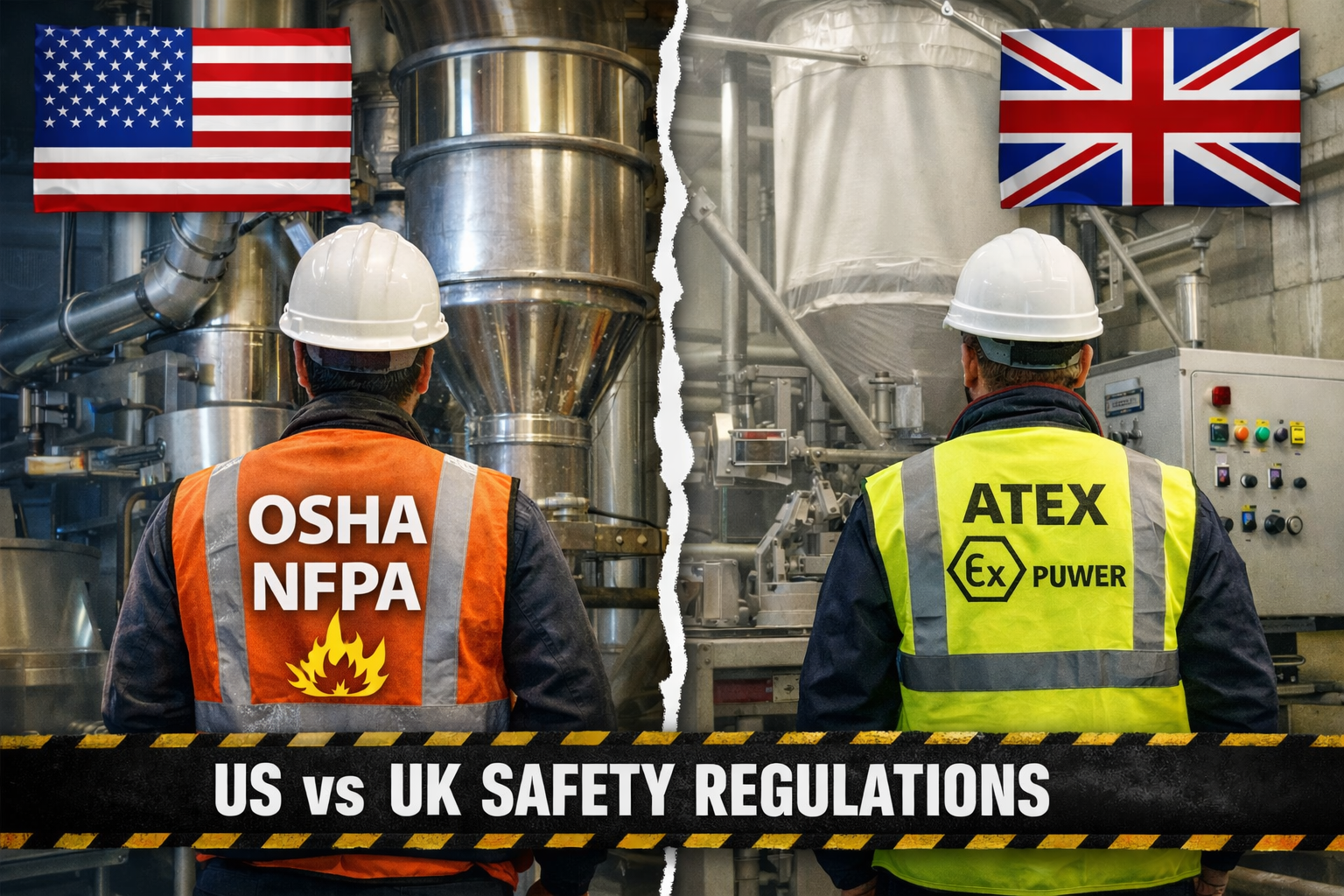
Manufacturers operating internationally often encounter different safety frameworks depending on the region. In particular, the United States and the United Kingdom (along with wider European regulations) take slightly different approaches to managing risks associated with bulk material handling systems.
Understanding these differences can help companies ensure compliance while maintaining safe and efficient production environments.
Why Safety Matters in Bulk Material Handling Systems
Handling bulk powders and solids presents several potential hazards, including:
- Dust explosions caused by combustible powders
- Mechanical hazards from conveyors and feeders
- Dust inhalation and workplace exposure risks
- Contamination in hygienic processing environments
- Equipment overload or system blockages
Proper system design, correct equipment specification, and adherence to safety regulations are essential for reducing these risks.
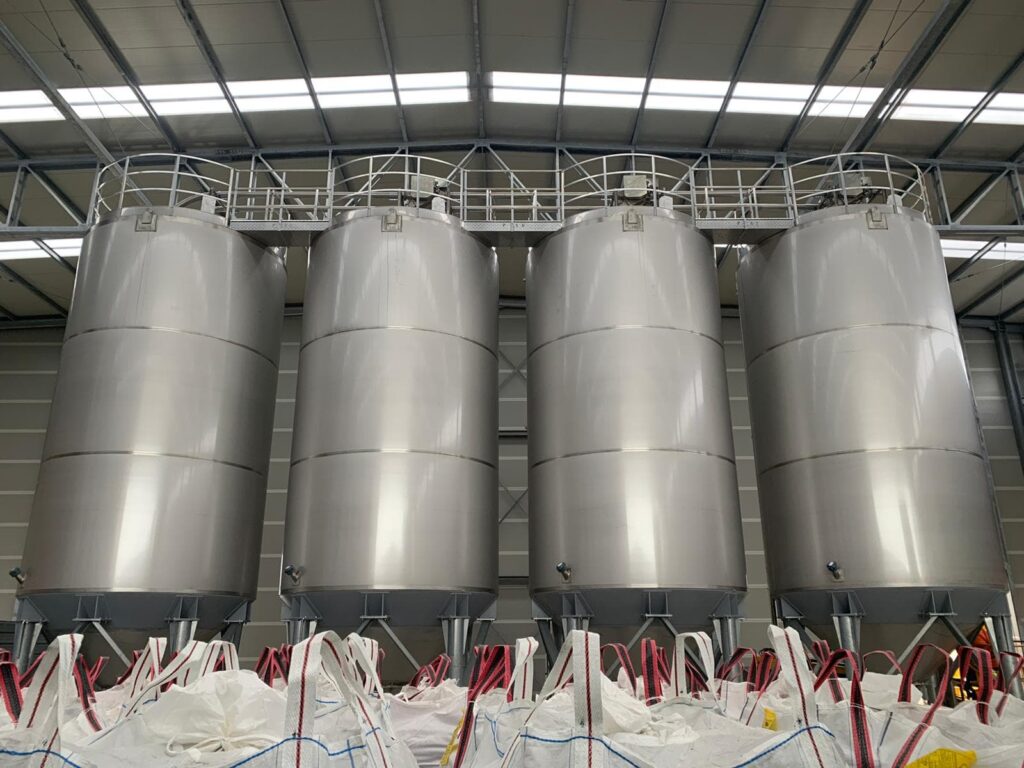
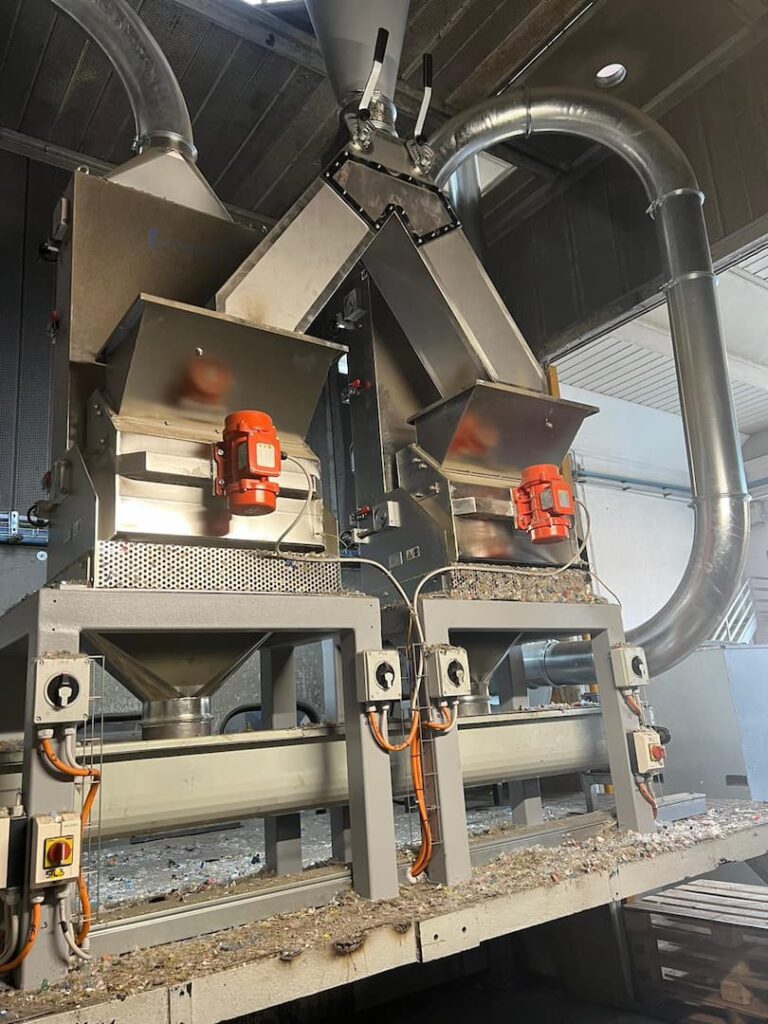
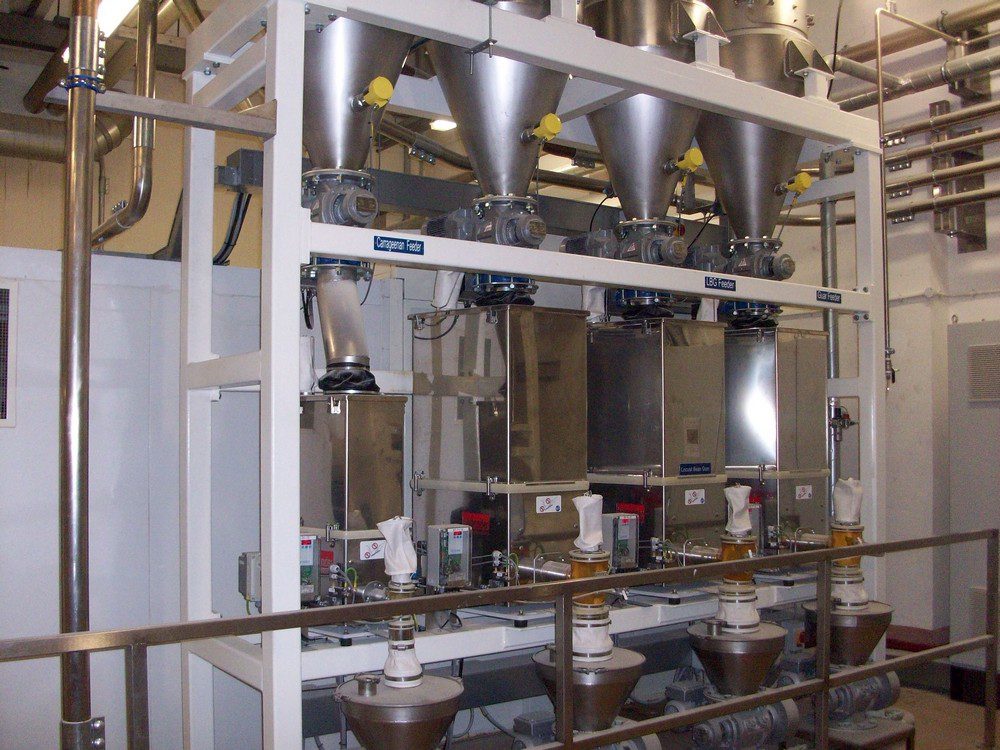
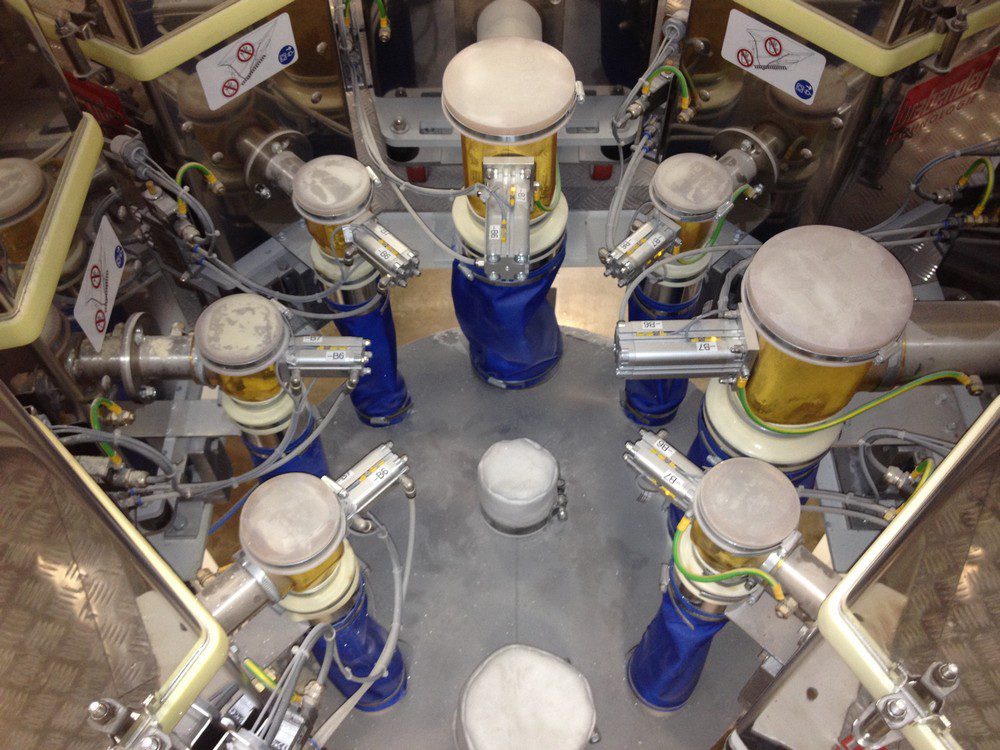
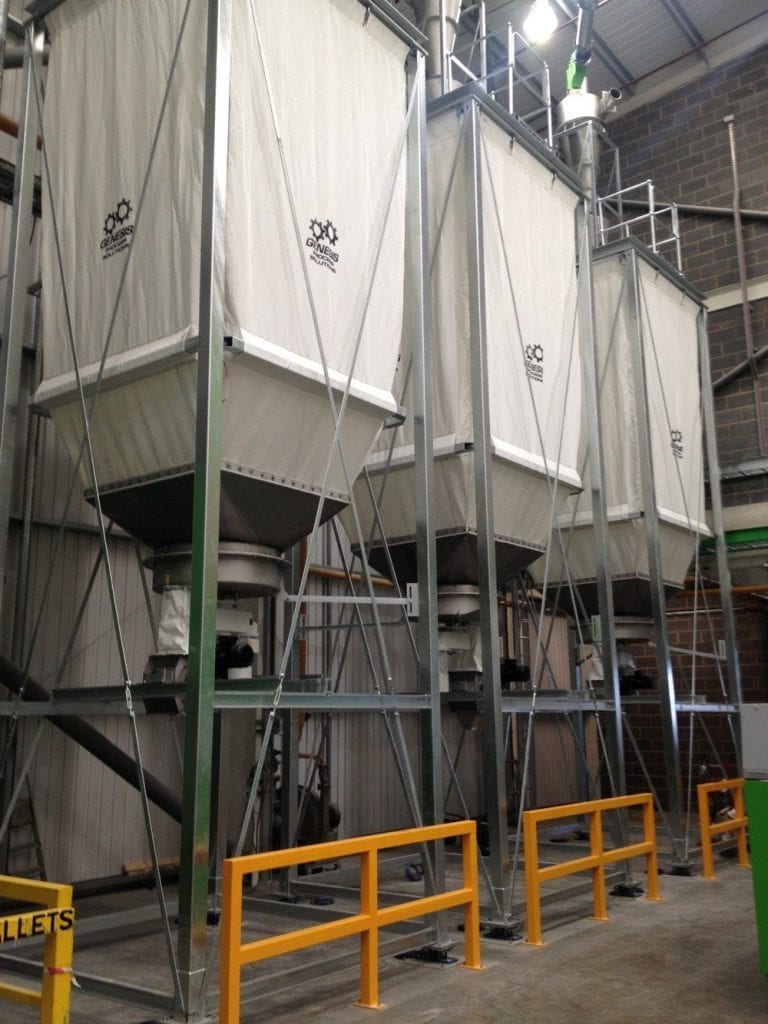
For manufacturers working with powder and bulk solids, safety standards often influence how systems such as screw conveyors, bulk bag dischargers, vacuum conveying systems, and storage silos are designed and installed.
Key Bulk Material Handling Regulations in the United Kingdom
In the UK, bulk material handling systems are governed by a combination of national legislation and harmonised European standards.
ATEX Regulations
ATEX regulations address the risks associated with explosive atmospheres. Many powders used in manufacturing—such as flour, sugar, chemicals, and plastic dust—can become combustible when suspended in air.
ATEX requirements focus on:
- Identifying hazardous zones
- Using explosion-protected equipment
- Preventing ignition sources
- Implementing appropriate safety systems
For facilities handling combustible powders, ATEX compliance is a critical consideration when designing conveying systems, storage silos, and feeding equipment.
PUWER (Provision and Use of Work Equipment Regulations)
PUWER ensures that all workplace equipment is safe to use and properly maintained.
For bulk material handling systems, this means:
- Equipment must be suitable for its intended purpose
- Machines must be maintained in safe operating condition
- Operators must be trained to use equipment correctly
- Hazardous moving parts must be guarded
Machinery Safety Standards (BS EN)
British Standards such as BS EN machinery safety standards provide engineering guidance for designing and installing safe industrial equipment.
These standards help ensure:
- Proper guarding of conveyors and rotating components
- Safe emergency stopping systems
- Appropriate maintenance access
- Reliable control systems
Together, these regulations form the foundation of bulk material handling safety in the UK.
Bulk Material Handling Regulations in the United States
In the United States, safety regulations are managed through a combination of federal agencies and technical standards organisations.
OSHA (Occupational Safety and Health Administration)
OSHA is responsible for workplace safety regulations across US industries.
Relevant OSHA requirements for bulk material handling systems include:
- Machine guarding
- Dust exposure limits
- Hazard communication standards
- Safe operation of industrial equipment
While OSHA provides general workplace safety rules, it often relies on additional industry standards for technical guidance.
NFPA (National Fire Protection Association)
NFPA standards address fire and explosion risks in industrial environments.
For powder and bulk material handling systems, key standards include:
- NFPA 652 – Fundamentals of Combustible Dust
- NFPA 654 – Prevention of Fire and Dust Explosions
- NFPA 61 – Agricultural and food processing dust safety
These standards provide guidance on:
- Dust hazard analysis
- Explosion protection systems
- Safe equipment design
- Dust collection and containment
NFPA regulations are particularly important in facilities handling combustible powders.
Key Differences Between US and UK Safety Approaches
Although both regions focus on preventing hazards and protecting workers, there are several differences in how safety regulations are structured.
Regulatory framework
The UK uses a more integrated system combining legislation such as PUWER with harmonised European standards and ATEX directives.
In contrast, the US system relies heavily on OSHA workplace rules supported by independent technical standards such as NFPA.
Explosion protection
ATEX provides detailed equipment classification requirements for hazardous environments in the UK and Europe.
The US approach focuses more on risk assessment and mitigation through NFPA combustible dust standards.
Equipment certification
UK and European regulations typically require equipment certification for use in explosive atmospheres.
In the US, compliance often centres around engineering design and safety assessments rather than specific equipment certification schemes.
Despite these differences, the underlying goal remains the same: preventing accidents and ensuring safe industrial operations.
Designing Safe Bulk Material Handling Systems
Regardless of whether a system operates under US or UK regulations, several core safety principles apply to bulk material handling systems:
- Identifying combustible dust hazards early in the design stage
- Ensuring proper dust containment and extraction
- Using correctly rated equipment in hazardous zones
- Implementing safe feeding and conveying systems
- Maintaining equipment and conducting regular inspections
System integration is also important. Conveying equipment, feeders, silos, and discharge systems must all work together safely to prevent blockages, dust release, or mechanical failures.
How Genesis Process Solutions Supports Safe Material Handling
Designing safe and efficient bulk material handling systems requires both technical expertise and an understanding of industry regulations.
Genesis Process Solutions works with manufacturers across a range of industries to supply equipment and integrated systems for handling powders, granules, and other bulk solids. By working with trusted equipment manufacturers and focusing on system design, Genesis helps ensure that material handling solutions are both efficient and aligned with relevant safety standards.
From conveying and feeding systems to storage and discharge equipment, properly engineered solutions can significantly improve both safety and operational reliability.